Punakha
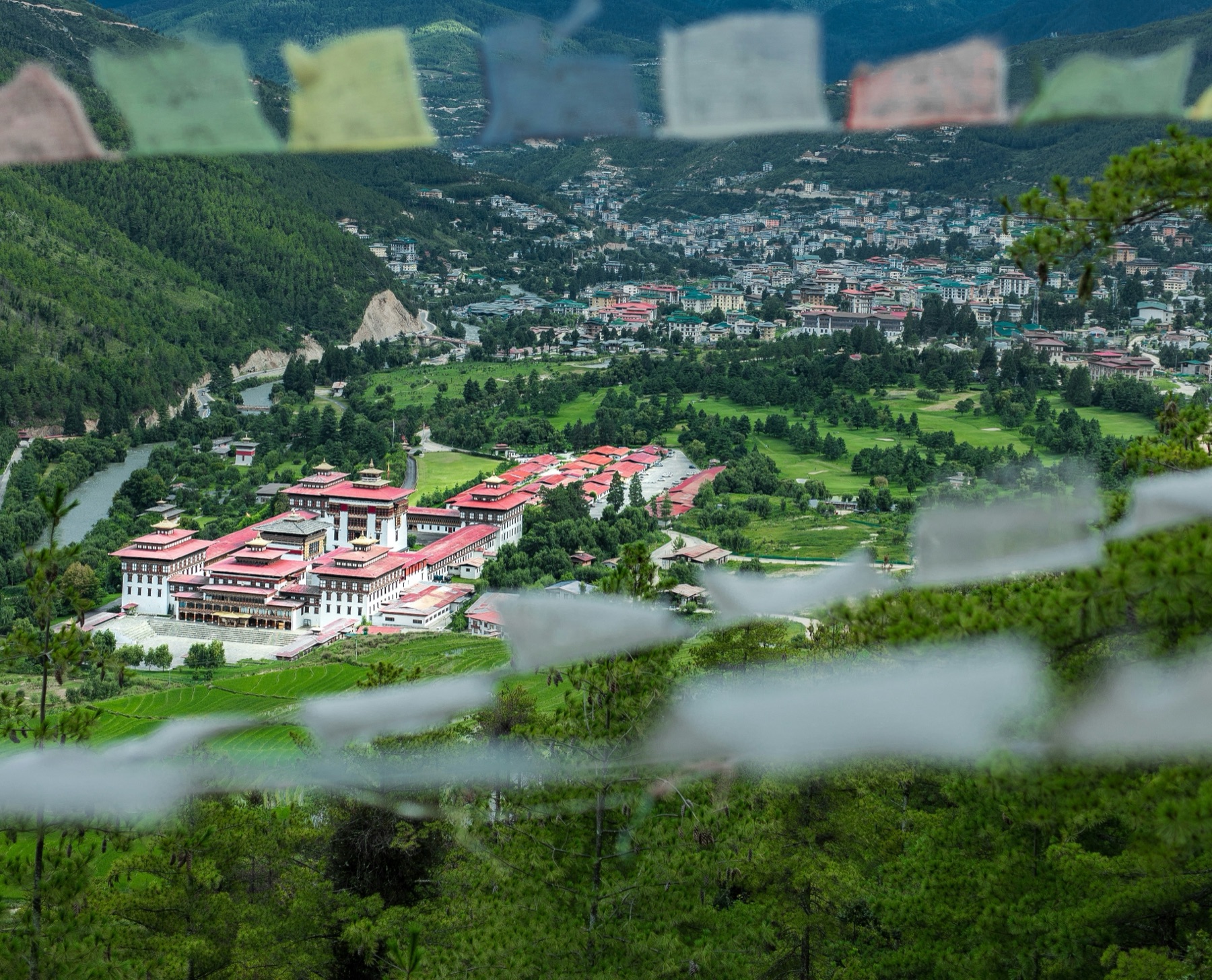
A warm, fertile valley where two rivers meet beneath Punakha Dzong, one of the most photographed fortresses in the Himalayas.
Overview
Bhutan's former winter capital, set low enough in elevation to feel subtropical after the chill of Thimphu and Paro. Rice terraces, banana trees, and red chilies drying on rooftops line the valley, and the Pho Chhu and Mo Chhu rivers meet directly beneath Punakha Dzong — widely considered the most beautiful fortress in the country. The royal wedding of 2011 was held here.
Highlights
- Punakha Dzong at the confluence of the Pho Chhu and Mo Chhu rivers
- One of the longest suspension bridges in the Himalayas
- Chimi Lhakhang, the temple of the 'Divine Madman' and fertility blessings
- Khamsum Yulley Namgyal Chorten above the rice terraces
- A subtropical valley floor lined with rice paddies and citrus trees
Things to Do
- Walk across the suspension bridge near the dzong
- Take the short valley walk to Chimi Lhakhang through rice fields
- Hike up to Khamsum Yulley Namgyal Chorten for panoramic views
- Raft or kayak a gentle stretch of the Mo Chhu river (seasonal)
- Time a visit around the Punakha Drubchen or Tshechu festivals
Popular Places
Punakha Dzong
Built in 1637 at the meeting point of two rivers, and the site where Bhutan's kings are still crowned.
Chimi Lhakhang
A 15th-century temple linked to Lama Drukpa Kunley, visited by couples seeking blessings for fertility.
Khamsum Yulley Namgyal Chorten
A hilltop temple reached by an easy walk through farmland, with sweeping views over the Punakha valley.
Punakha Suspension Bridge
A swaying footbridge strung with prayer flags, connecting the dzong side of the valley to nearby villages.
Bhutan's mildest and warmest major valley thanks to its low elevation. Summers are warm and humid with heavier monsoon rain (June–August); winters stay mild, rarely dropping below 5°C, making it a comfortable escape when higher valleys turn cold.
Send us an enquiry — free itinerary customization.